How to Treat Sun Damage: A Post-Beach Skin Reset Guide
We've all been there: you meant to reapply, you really did, and then three hours flew by and now your skin feels tight, hot, and a little betrayed. Whether it was one long beach day or a whole sunny vacation, your skin needs a minute to recover — and what you do in the days after matters almost as much as the SPF you (mostly) remembered to wear.
Here's how to help your skin bounce back, step by step.
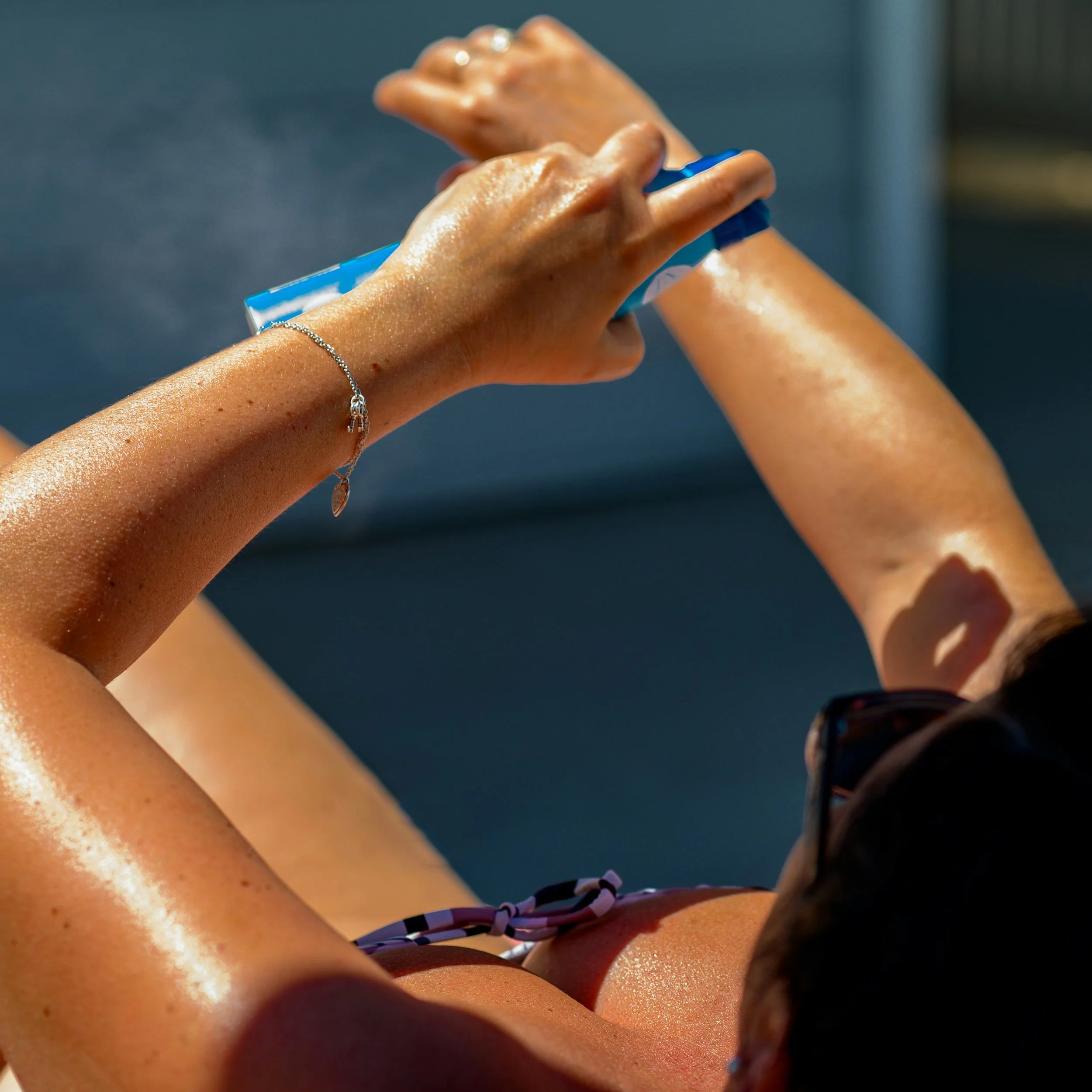
First: Calm It Down (Days 1–2)
If your skin is red, warm, or tender, your first job is damage control — not treatment. This is not the time for actives.
Do:
Apply a fragrance-free moisturizer with aloe vera, panthenol, or centella asiatica to calm inflammation (like First Aid Beauty’s Ultra Repair Cream)
Use cool (not ice-cold) compresses if your skin feels hot
Drink extra water — sun exposure is dehydrating from the inside out too
Stick to a gentle, non-foaming cleanser
Avoid:
Retinoids, exfoliating acids (AHAs/BHAs), and vitamin C — all of these can increase irritation on already-stressed skin
Hot showers, which strip moisture you desperately need right now
Picking at any peeling skin (as tempting as it is)
If you're dealing with an actual sunburn — blistering, severe pain, or fever — that's a medical situation, not a skincare one. See a doctor before trying any of this.
Next: Rebuild the Barrier (Days 3–7)
Once the heat and redness have calmed down, your skin's barrier still needs support. UV exposure breaks down collagen and weakens your skin's ability to hold onto moisture, so this week is about replenishing what was lost.
Key ingredients to look for:
Ceramides – rebuild the skin's protective barrier
Hyaluronic acid – pulls moisture back into the skin
Niacinamide – calms redness and supports barrier repair without irritation
A simple routine for this week:
Gentle cleanser (AM & PM)
Hydrating serum with hyaluronic acid (like Naturium’s Quadruple Hyaluronic Acid Serum 5%)
SPF every single morning, even indoors near windows
This is also a good week to bring back a humidifier if your skin still feels tight at night.
Then: Fade the Damage (Week 2 and Beyond)
This is where you start addressing the after-effects — dullness, dark spots, and uneven tone — that show up once the initial irritation has settled. Go slowly here. Sun-damaged skin is more reactive than usual, so reintroduce actives one at a time.
Vitamin C (mornings): A great first step back. It brightens dark spots, boosts collagen production, and pairs well with your morning SPF for extra antioxidant protection. I love CeraVe’s Skin Renewing Vitamin C Serum.
Retinol or bakuchiol (nights, 2–3x per week to start): Once your skin feels back to normal — usually 1–2 weeks post-sun — a gentle retinoid helps speed up cell turnover and fade lingering dark spots. If your skin is still sensitive, bakuchiol is a gentler alternative with similar benefits.
Exfoliating acids (1x per week, once skin has fully recovered): A mild AHA can help slough off dull, sun-stressed skin cells and even out texture — but only once any redness or sensitivity is fully gone. Try Thayers’ Exfoliating 2% AHA Pads to start.
The Most Important Step (For Next Time)
None of this is a substitute for prevention — but if the damage is already done, the goal now is recovery, not punishment. Be patient with your skin. Visible improvements to tone and texture from sun damage typically take 8–12 weeks of consistent care, so don't expect overnight miracles from any single product.
And the next time you're headed out for a beach day? Set a phone reminder to reapply SPF every two hours. Future-you will be much happier.
Disclosure: This post contains affiliate links. I may earn a small commission if you purchase through my links, at no additional cost to you.