Milky Toners: What They Are and Why Everyone's Talking About Them
If you've spent any time on skincare TikTok lately, you've probably seen someone patting a cloudy, lotion-like liquid onto their face and calling it "glazing." That's a milky toner — and it's quickly become one of the most-talked-about steps in modern routines.
But is it actually doing anything, or is it just a pretty step with a viral name? Let's break it down.
What Is a Milky Toner, Exactly?
Despite the name, a milky toner isn't really a "toner" in the traditional sense. Old-school toners were often alcohol-based and designed to strip residue or "rebalance" skin after cleansing — usually leaving it feeling tight and dry in the process.
Milky toners are the opposite. They have a soft, lotion-like consistency — somewhere between a toner and a lightweight moisturizer — and they're designed to add hydration rather than remove anything. Think of them less as a cleansing step and more as the first layer of hydration in your routine, right after cleansing and before your serums.
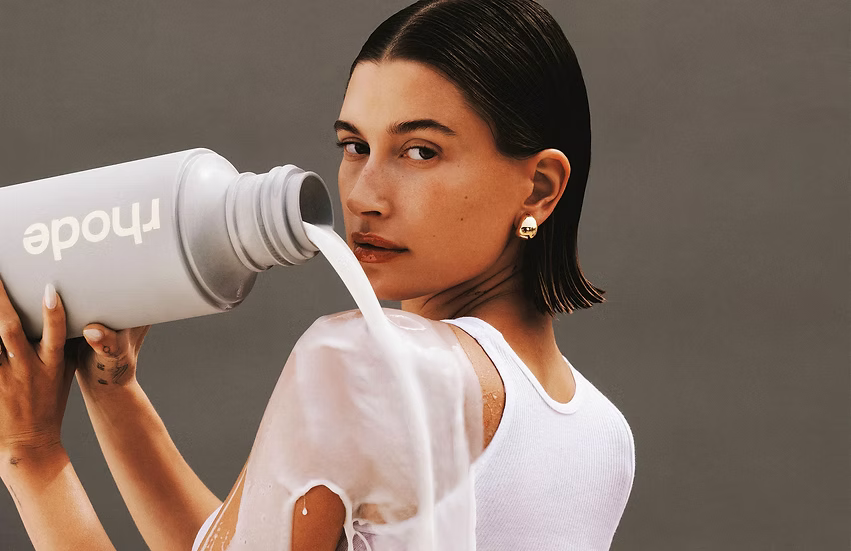
The format originated in Korean skincare, where layering lightweight hydration has always been the foundation of a good routine. It's only recently exploded in the West, helped along by viral products like Rhode's Glazing Milk.
Why Is Everyone Suddenly Using One?
A few things are converging here:
The "glass skin" look is evolving. The ultra-glossy, high-shine look of a few years ago is giving way to something softer — a glow that comes from genuinely healthy, hydrated skin rather than highlighter. Milky toners deliver that "glow from within" look almost instantly.
Barrier-first skincare is having a moment. After years of routines built around acids and actives, a lot of people are simplifying — fewer harsh exfoliants, more products that support the skin's natural barrier. Milky toners fit perfectly into that shift.
They genuinely feel good. This one's simple: a milky toner feels like a treat. Cushiony, calming, immediately hydrating. In a world of 10-step routines that can feel like homework, that matters.
Who Should Try One?
Pretty much everyone, but a few skin types benefit the most:
Dry or dehydrated skin — the humectants (like glycerin and hyaluronic acid) draw moisture in immediately
Sensitive or reactive skin — most milky toners are fragrance-free and formulated without harsh actives, so they tend to be very calming
Combination skin — they hydrate dry areas without overwhelming oilier zones, since the texture absorbs quickly
Mature skin — as natural oil production slows with age, milky toners help replace lost lipids and give skin a plumper look
If you have very oily or acne-prone skin, you can still use one — just look for a version labeled non-comedogenic, and use a thin layer.
How to Use One
Milky toners go right after cleansing, before your serums and moisturizer:
Cleanse
Pat on milky toner (with hands or a cotton pad — either works)
Apply serums as usual
Moisturize
SPF in the morning
In colder months or if your skin is feeling especially dry, you can layer two or three thin applications back to back — a technique sometimes called "toner layering." In summer, one layer is usually plenty.
A Few Worth Trying
Beauty of Joseon Glow Replenishing Rice Milk — An affordable, gentle entry point. Rice extract and ceramides give a soft glow without feeling heavy, and it's a good first milky toner if you're not sure whether you'll like the texture.
Laneige Cream Skin Toner — Slightly richer, with ceramides and peptides. This one blurs the line between toner and moisturizer most — some people skip a separate moisturizer entirely in summer when using this.
Rhode Glazing Milk — The product that arguably started the whole conversation. Lightweight, fast-absorbing, and noticeably plumping. It's pricier, but the hype is rooted in a genuinely well-formulated product.
The Bottom Line
Milky toners aren't a magic fix, and they're not going to replace your moisturizer or your actives. But as a hydrating first step that preps your skin for everything that comes after — and feels lovely in the process — they're one of the more useful trends to come out of skincare in a while. If your skin tends toward dry, sensitive, or just "tight after cleansing," this is a trend worth actually trying.
Disclosure: This post contains affiliate links. I may earn a small commission if you purchase through my links, at no additional cost to you.