Everything You Need to Know About Peptides (The 2026 Ingredient of the Year)
Every year there's an ingredient that crosses over from the skincare-obsessive corners of the internet into the mainstream — and in 2026, that ingredient is peptides. They're showing up in everything from $12 drugstore serums to $300 clinic-level treatments, and the beauty industry is launching more peptide formulas than any other category right now.
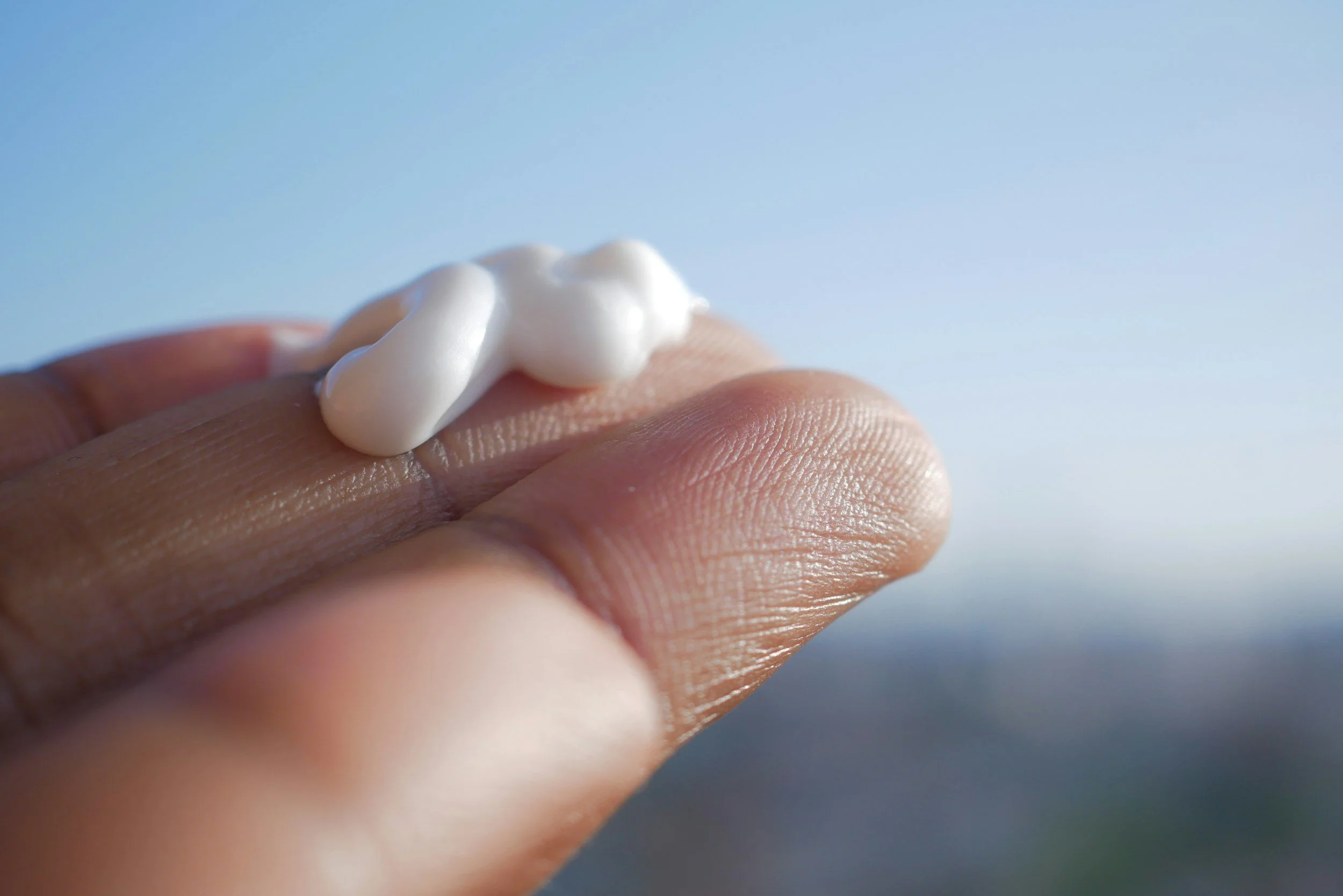
But unlike some trends that are mostly packaging and marketing, this one has real science behind it. Peptides have been studied in skincare since the 1970s. What's changed in 2026 is the precision of formulation — and the accessibility of effective products.
Here's what you actually need to know.
What Are Peptides, Exactly?
Peptides are short chains of amino acids — the same building blocks that make up proteins like collagen and elastin in your skin. Think of them as fragments of larger proteins that have been broken down small enough to actually penetrate the skin and do something useful.
Here's why that matters: your skin is constantly losing collagen. It starts declining in your mid-20s, accelerates with sun exposure, stress, and pollution, and by the time you start noticing fine lines and loss of firmness, a meaningful amount is already gone. The catch with most ingredients that aim to address this is that collagen molecules are too large to absorb topically — applying collagen directly to your face is largely a cosmetic exercise.
Peptides are different. They're small enough to penetrate. And once they're in, they act as biological messengers — signaling your skin cells to produce more collagen, repair damage, or reinforce the structural proteins that keep skin firm and bouncy.
The result isn't instantaneous (this isn't retinol), but it's real. Consistent use over 8–12 weeks tends to show measurable improvements in firmness, texture, and hydration.
The Different Types of Peptides (And What They Each Do)
Peptides are often presented as a single category, but there are actually several distinct types that work very differently. When you're reading labels, these are the ones worth knowing:
Signal peptides are the workhorses of the category. They directly stimulate fibroblasts — the cells responsible for collagen, elastin, and hyaluronic acid production — to ramp up output. Matrixyl (palmitoyl pentapeptide-4) is the most studied of this type and has been in clinical formulations since the 1990s. If a product lists Matrixyl or its variants, it's using signal peptides.
Neurotransmitter peptides work differently — they interrupt the nerve signals that cause repetitive muscle contractions, relaxing expression lines over time. Argireline (acetyl hexapeptide-3) is the most well-known, sometimes called "Botox in a bottle." This description is an overstatement, but the mechanism is real: consistent use does soften the appearance of expression lines, particularly around the eyes and forehead.
Carrier peptides deliver trace elements like copper to the skin, supporting wound healing and collagen synthesis. GHK-Cu (copper peptide) has over 50 years of research behind it and is showing up in more mainstream products in 2026 after years as a niche ingredient. It improves elasticity, supports skin repair, and has a firming effect that's distinct from signal peptides.
Enzyme inhibitor peptides prevent the breakdown of existing collagen and elastin by inhibiting the enzymes that degrade these proteins. They're often combined with signal peptides for a synergistic effect — stimulate more collagen, then slow down the rate at which it's being broken down.
The best peptide products tend to combine multiple types rather than relying on a single peptide, because each category targets a different part of the collagen production and preservation cycle.
How Peptides Compare to Other Anti-Aging Ingredients
A fair question: if you already use retinol or vitamin C, do you need peptides too?
Short answer: it depends. Here's how they compare:
Retinol works by accelerating cell turnover and directly stimulating collagen, but it comes with a real adjustment period — dryness, peeling, increased sensitivity, and months of patience required. It's one of the most effective anti-aging ingredients available, but it's not for everyone.
Vitamin C provides antioxidant protection and supports collagen synthesis, but requires careful formulation to remain stable and can irritate sensitive skin at higher concentrations.
Peptides don't exfoliate or peel. They don't require an adjustment period. They're stable across a wide pH range and work well for sensitive skin, pregnant or breastfeeding women who can't use retinoids, or anyone who wants anti-aging support without the irritation. They're also genuinely synergistic with retinol — peptides help restore the barrier that retinol can compromise, making them excellent partners in a routine rather than competitors.
If retinol gives you the fastest results and peptides are the gentler path to similar outcomes, they're not mutually exclusive. Many well-formulated routines use both.
Who Should Be Using Peptides?
The short answer: almost everyone, but some skin types benefit more than others.
In your late 20s and 30s: This is when collagen decline starts becoming measurable, but isn't yet visible as significant lines. Peptides used now are genuinely preventive — signaling the skin to maintain production rather than playing catch-up later.
Sensitive skin: If retinol, acids, and high-concentration vitamin C have caused irritation for you, peptides offer a meaningful alternative with no comparable sensitivity risk.
Anyone with compromised barrier function: Because many peptides also support ceramide production and skin repair, they're useful for skin that feels reactive, dry, or prone to redness — not just for anti-aging.
Mature skin: Once significant collagen loss has occurred, peptides work best as part of a broader routine (with retinol, SPF, and vitamin C), rather than as a standalone fix. They help maintain what's there and slow further decline, but can't single-handedly reverse established signs of aging.
How to Add Peptides to Your Routine
Peptides are most effective in leave-on products — serums, moisturizers, and eye creams — rather than in cleansers or rinse-off treatments. You want them staying on the skin long enough to penetrate.
Timing: Peptides work morning and night. There's no reason to restrict them to one or the other.
Where they sit: After cleansing and any hydrating toner, before moisturizer. If you're using vitamin C in the morning, apply vitamin C first, then your peptide serum.
What to avoid layering with peptides: Strong acids (AHAs/BHAs) can disrupt peptide absorption and reduce efficacy. If you exfoliate with acids, do it on separate nights from your peptide serum — or keep peptides to morning and acids to evening.
What to Actually Buy
The catch with peptides is concentration. Many products include them as a marketing ingredient at levels too low to do anything meaningful. You want peptides listed in the upper half of an ingredient list — not as an afterthought near the bottom.
The entry point: The Ordinary Multi-Peptide + Copper Peptides 1% Serum (~$20) combines signal and carrier peptides in an effective formula. One of the most well-reviewed beginner options in the category.
The workhorse:Laneige Cream Skin Toner & Moisturizer (~$38) uses a ceramide-peptide complex — the toner-moisturizer hybrid format means peptides are delivered in a lightweight, hydrating base that works well for all skin types. (Yes, the milky toner we covered last month has peptides in it. Full circle.)
The investment:NIOD Multi-Molecular Hyaluronic Complex (~$60) pairs peptides with multiple forms of hyaluronic acid for deep hydration and collagen support. Worth it if firming and texture are your main concerns.
The anti-wrinkle focus:Peter Thomas Roth Peptide 21 Lift & Firm Moisturizer (~$78) specifically targets Argireline and Matrixyl — two of the most clinically studied peptides — alongside hyaluronic acid. Excellent for anyone focused on expression lines.
One Realistic Expectation to Set
Peptides are effective, but they're not fast. The skin turnover cycle runs roughly 28 days, and most clinical peptide studies measure outcomes at 8–12 weeks of consistent use. You won't see overnight transformation. What you will see, with patience, is skin that holds moisture better, sits a little firmer, and shows the fine early lines less prominently over time.
In a market full of ingredients that promise instant glow, peptides are the long game — and the long game tends to be the one that actually works.
Disclosure: This post contains affiliate links. I may earn a small commission if you purchase through my links, at no additional cost to you.